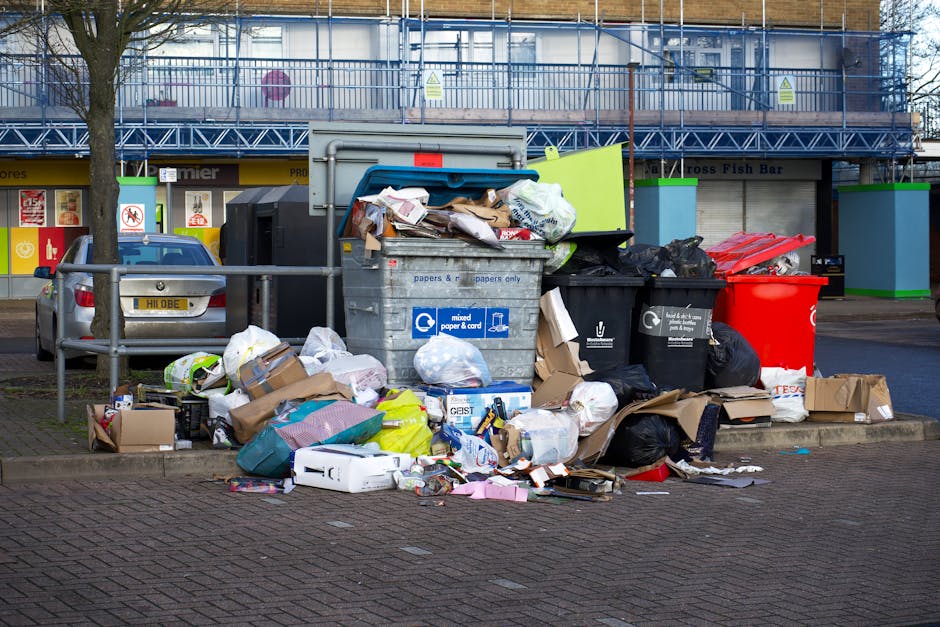
Hidden costs to avoid with rubbish clearance in Putney
Rubbish clearance can look straightforward at first glance. You book a collection, the waste disappears, and job done. But in Putney, as in much of London, the real bill can creep up fast if you do not ask the right questions early. The hidden costs to avoid with rubbish clearance in Putney are often the ones people only spot after the team has already arrived: extra labour, parking headaches, restricted access, special waste fees, or charges for more volume than expected.
If you are clearing a flat near Putney High Street, emptying a garden close to the river, or dealing with renovation debris from a period property, the details matter. This guide breaks down where those extra costs come from, how the process usually works, and what you can do to keep the price fair, clear, and under control. A bit of planning saves a lot of back-and-forth. And, to be fair, it saves that slightly sinking feeling when the invoice lands.
Table of Contents
- Why hidden costs matter
- How rubbish clearance pricing usually works
- Key benefits of planning ahead
- Who this is for and when it makes sense
- Step-by-step guidance
- Expert tips for better results
- Common mistakes to avoid
- Tools, resources and recommendations
- Law, compliance, standards and best practice
- Options and comparison table
- Case study or real-world example
- Practical checklist
- Conclusion
- Frequently asked questions
Why hidden costs to avoid with rubbish clearance in Putney matters
The main reason this topic matters is simple: rubbish clearance is rarely just "pick up the waste and go." The final price can be shaped by access, waste type, load size, waiting time, disposal fees, and whether the waste can be recycled or has to be handled separately. In Putney, where homes, shops, and building sites often sit on busy roads or tight side streets, logistics can be a real part of the cost.
Hidden costs do more than stretch the budget. They can also slow down a project, create disputes with the contractor, or force you to leave waste sitting around longer than planned. That is not ideal if you are trying to finish a move, clear a house, or keep a refurbishment on track. One overlooked issue can snowball into several.
It also matters because rubbish clearance services are not all priced the same way. Some quote by volume, some by time on site, some by item, and some by the type of waste. If you do not know which model you are buying, the cheapest quote can turn out to be the most expensive option. Annoying, but very common.
For a more transparent starting point, it helps to understand service options such as rubbish removal, domestic skip hire, and wait and load skip hire. Each one suits a different job, and the wrong choice is often where the extra cost begins.
How hidden costs to avoid with rubbish clearance in Putney works
Most rubbish clearance jobs follow a simple pattern: you describe the waste, the provider estimates the work, the collection is carried out, and the waste is taken away for sorting, recycling, or disposal. The hidden costs appear where the reality does not match the original description.
Here are the most common ways the price can change:
- Volume mismatch: the load is bigger than it looked in photos or over the phone.
- Heavy material: builders' rubble, soil, tiles, and similar waste can cost more to move and dispose of.
- Restricted access: long carries, stair-only access, or awkward parking can add labour time.
- Special items: appliances, mattresses, sofas, and confidential materials may need separate handling.
- Permit and parking issues: if a skip or collection vehicle needs street access, local restrictions can change the cost.
- Contamination: mixing prohibited items with general waste can trigger extra sorting or disposal charges.
- Waiting time: if the crew has to stand around while items are moved or signed off, the clock may keep ticking.
In practical terms, a small garden clear-out can become a bigger job if bags are hidden behind a shed, if there is broken fencing to remove, or if wet soil has been mixed with branches and old pots. A loft clearance can look light and tidy until someone starts bringing down boxed books, broken furniture, and a printer from 2009 that somehow still weighs a ton.
If you are not sure what counts as acceptable waste, the page on what can go in a skip is useful for getting your head around the basics. That clarity alone can prevent a lot of surprise charges later.
Key benefits and practical advantages
Getting the pricing structure right is not just about saving money on paper. It helps the whole job run more smoothly.
- Clear budgeting: you know what the likely total is before anything starts.
- Faster collections: accurate details mean fewer delays on arrival.
- Better service match: the right method is chosen for the waste, access, and timing.
- Less stress: there is no awkward debate at the kerbside about "unexpected extras."
- Better recycling outcomes: correctly separated waste is easier to process responsibly.
There is also a practical side that often gets missed: when a provider has the right information, they can send the right vehicle, the right crew, and the right equipment. That matters whether you are clearing a family home, stripping out office furniture, or dealing with construction debris after a small refurbishment.
For bigger jobs, services like builders skip hire, construction waste clearance, and grab hire services can sometimes be better value than a general clearance approach. The advantage is not just price; it is fit. A service that fits the site well usually costs less in the end.
Who this is for and when it makes sense
This guide is for anyone in Putney who wants rubbish cleared without paying for avoidable extras. That includes homeowners, landlords, tenants, builders, shop owners, office managers, and anyone in the middle of a bigger clean-up.
It is especially relevant if you are dealing with one of these situations:
- moving out and clearing clutter before handover
- emptying a loft, garage, or garden at short notice
- renovating a kitchen, bathroom, or rental property
- disposing of bulky furniture or white goods
- managing office clearance with documents and equipment mixed together
- handling building waste after trades have finished
Sometimes the right answer is a skip. Sometimes it is not. If the waste is already bagged, access is awkward, or you need it gone quickly, a direct collection may suit better. If the waste is bulky but the site is straightforward, a skip may be more cost-effective. A bit of judgement goes a long way here.
For domestic jobs, house clearance, garage and loft clearance, and garden waste removal are worth comparing before you commit. If it is a workplace clear-out, office clearance can be more appropriate than trying to treat everything as generic rubbish.
Step-by-step guidance
Here is a straightforward way to avoid hidden charges before you book anything.
- List the waste clearly. Separate furniture, bagged rubbish, wood, soil, rubble, appliances, and anything unusual.
- Take honest photos. Include the whole pile, not just the neatest corner. If access is tight, photograph that too.
- Measure the space. A rough length, width, and height helps with load estimates. No need to be obsessive.
- Check access and parking. Can a van stop nearby? Is there a permit requirement? Will stairs or narrow hallways slow things down?
- Ask how the quote is built. Is it based on time, load size, labour, item count, or waste type?
- Confirm restricted items. Appliances, fridges, mattresses, and hazardous materials should be discussed before collection day.
- Ask about disposal and recycling. A transparent provider should explain how the waste is handled.
- Agree the scope in writing. Not every job needs a novel, but you do want the basics documented.
If your job may involve street placement for a skip, do not ignore permissions. The pages on skip hire permits and skip permits are helpful because permit issues are one of those hidden costs that sneaks up on people. Not glamorous, but very real.
When time is tight, same day skip hire or wait and load skip hire can be practical, especially if you want to avoid a longer hire window or on-street storage costs. Just make sure the timing suits your access situation.
Expert tips for better results
After enough clearances, a few habits stand out as consistently useful. Nothing fancy. Just solid practice.
- Be precise about heavy waste. Soil, bricks, tiles, and concrete usually affect the price more than soft domestic rubbish.
- Keep appliances separate. If you have a fridge, freezer, or washing machine, mention it early. Special handling may apply.
- Do not overfill a skip. It can cause extra charges, delays, or a refusal to collect until the load is made safe.
- Plan for access delays. In Putney, tight roads and shared entrances can add minutes that quickly become labour time.
- Use the right service for the job. A bulky, mixed load may suit man and van, while larger site waste might suit grab lorry hire.
One small but useful habit: write down exactly what is included before collection day, even if the quote came by phone and sounded perfectly clear at the time. Human memory is optimistic. Receipts are not.
For certain layouts, an enclosed and lockable skip hire option may help if you need to keep waste secure on site. That can be useful for busy properties or jobs where passers-by, weather, or safety are concerns. It is a niche detail, but in the right situation it matters a lot.
Common mistakes to avoid
Most hidden costs are not mysterious. They are the result of one of a handful of predictable mistakes.
- Getting a quote from a vague description. "Just a bit of rubbish" is not a proper brief.
- Forgetting access constraints. Long carries, stairs, locked gates, or no parking can change the job significantly.
- Mixing waste types. General rubbish, builders' waste, and hazardous items should not all be lumped together unless the provider has confirmed it is fine.
- Ignoring timing pressure. If you need same-day collection, say so immediately. Last-minute requests can cost more.
- Assuming all removals are the same. A sofa, a pile of cardboard, and demolition rubble are very different in handling terms.
Another common slip is choosing the cheapest upfront offer without checking what is excluded. That is often where the extra charges are hiding. Not always, but often enough that you should be wary. A cheaper quote can be fair, of course, but only if it is properly defined.
If the job includes confidential materials or papers, the page on confidential shredding is relevant. Mixing sensitive paperwork into a general rubbish pile is asking for problems. Same with fridges and awkward appliances; see fridge and appliance removal if those items are part of your load.
Tools, resources and recommendations
You do not need special software to avoid hidden costs, but a few simple tools help a great deal:
- a phone camera for clear photos of the waste and access route
- a tape measure for rough dimensions
- a short written inventory of items
- notes on parking, gates, lifts, and stairs
- a checklist of any items that may need separate handling
It also helps to compare the most relevant service pages before deciding. For example, skip sizes and prices can help you judge whether a skip is sensible, while pricing and quotes can help you understand what a clear estimate should cover. If sustainability matters to you, the page on recycling and sustainability is worth a look too.
For larger commercial clearances, commercial skip hire and site clearance are often better aligned with business-scale waste streams. For heavy or loose material, muck away services can be a better fit than a general collection. The key is matching the method to the waste, not forcing the waste to fit the method.
Law, compliance, standards and best practice
When rubbish is removed, there is more going on than simple transport. Waste should be handled responsibly, and the provider should be able to explain how it is stored, moved, sorted, and disposed of. You do not need to become a compliance expert, but it is wise to use a service that takes safety and legal obligations seriously.
In the UK, it is normal to expect proper waste handling, safe loading, and appropriate segregation of materials where needed. For example, hazardous waste should be treated separately from standard household rubbish. Building debris may need different handling from furniture or general office waste. That is standard good practice, not an optional extra.
It is also sensible to check service terms, payment security, and insurance coverage before agreeing to a job. If anything goes wrong on a tight London street or in a shared property, you want to know the basics are in place. The pages on insurance and safety, payment and security, and terms and conditions are useful for that reason.
One point people overlook: prohibited items can create both extra cost and avoidable risk. If you suspect anything hazardous, the safest approach is to discuss it openly and use the appropriate service rather than hoping it will go unnoticed. Hazardous waste disposal exists for a reason.
Options, methods, or comparison table
Choosing the right removal method can make the difference between a tidy, predictable cost and an awkward one. Here is a practical comparison.
| Method | Best for | Potential hidden cost risk | Typical advantage |
|---|---|---|---|
| Rubbish removal | General mixed waste, bulky items, smaller clearances | Labour time, access issues, item exclusions | Convenient, fast, little site management |
| Domestic skip hire | Home clear-outs, DIY waste, moderate volumes | Permit costs, overfilling, wrong waste type | Good for planned, ongoing loading |
| Wait and load skip hire | Fast clearances where a skip cannot stay on site | Waiting time, access delays, rushed loading | No long on-street placement |
| Grab lorry hire | Large loose waste, soil, hardcore, bulky site waste | Access limitations, load preparation | Efficient for heavy or awkward material |
| Man and van | Flexible clearances, property moves, smaller loads | Labour and timing if the job expands | Very adaptable for mixed household items |
This comparison is not about declaring one method "best" in general. It depends on the waste, the site, and the timing. In practice, the cheapest and cleanest job is usually the one that matches the load properly from the start.
Case study or real-world example
Here is a realistic example from the kind of job people often face in Putney.
A couple clearing a two-bedroom flat had stacked rubbish into one corner over several weeks: broken shelves, old clothing bags, a mattress, a chest of drawers, and some bathroom rubble from a small renovation. At first, they asked for a "standard clearance." The problem was not the pile itself. It was the detail they had not mentioned: the flat was on an upper floor, the building had narrow stairs, and the only legal parking spot was a short distance away.
Once those details were included, the provider could quote properly. The client also separated the mattress and appliance items before collection, which helped avoid extra sorting on the day. The final result was calmer, quicker, and honestly less messy than the original plan would have been. Nothing dramatic, just a smoother job.
Another example: a small builder finishing a bathroom refit assumed the waste was all "light rubble." In reality, the load included old tiles, plasterboard, packaging, timber, and a couple of awkward fittings. By switching from a vague rubbish clearance idea to a builders skip hire solution, the job became easier to manage and the risk of add-on charges dropped.
That is the lesson, really. The hidden cost is rarely hidden forever. It just hides until someone asks the right question.
Practical checklist
Use this checklist before you book:
- Have I listed every type of waste clearly?
- Do I know whether any items are bulky, heavy, or specialist?
- Have I shared photos of the waste and the access route?
- Do I know if parking or a permit may be needed?
- Have I asked whether labour, loading time, or waiting time can change the price?
- Do I understand what happens if the load is larger than expected?
- Have I checked whether appliances, mattresses, or confidential materials need separate handling?
- Do I know whether a skip, wait and load, man and van, or grab lorry is most suitable?
- Have I read the relevant service terms?
- Am I comfortable that the quote reflects the real job, not just the neat version of it?
If you can answer yes to most of those, you are already ahead of the game.
Get a free quote today and see how much you can save.
Conclusion
Hidden costs in rubbish clearance are usually not dramatic surprises; they are small details that were never pinned down early enough. In Putney, where access can be tricky and waste types vary from domestic clutter to renovation debris, those details matter even more. The good news is that most of the risk can be reduced with a little honesty, a few photos, and a clear conversation about what needs removing.
Whether you need house clearance, construction waste disposal, or a simple one-off booking, the smartest move is to choose the service that fits the job rather than the one that merely looks cheapest on the surface. That is how you avoid the extra charges that nobody enjoys.
And if you are still weighing up the options, take your time, ask the awkward questions, and trust the details. They usually tell you everything you need to know. A tidy clear-out can feel surprisingly good, actually.
Frequently Asked Questions
What are the most common hidden costs in rubbish clearance?
The most common ones are extra labour, waiting time, larger-than-expected loads, restricted access, permit issues, and special handling for items like appliances or hazardous waste.
How can I avoid surprise charges when booking rubbish removal in Putney?
Give a full description of the waste, share photos, explain access limitations, ask how the quote is calculated, and confirm whether any items are excluded or charged separately.
Is rubbish removal cheaper than hiring a skip?
It depends on the waste, the size of the job, and access. For mixed bulky items, removal can be cheaper and easier. For planned ongoing loading, a skip may be better value.
Do I need a permit for a skip in Putney?
If a skip needs to be placed on public highway space, a permit may be required. The exact need depends on location and placement, so it is worth checking before booking.
Why do heavy materials cost more to remove?
Heavy materials such as soil, rubble, tiles, and concrete are harder to move and dispose of. They can also require different processing, which affects the overall cost.
Can I put appliances in a general rubbish clearance load?
Sometimes yes, but they may need separate handling and should always be declared in advance. Fridges and similar items are best discussed before collection.
What if I underestimate the amount of waste?
The provider may need to adjust the quote, send a larger vehicle, or make a second visit. That is one of the clearest ways hidden costs appear, so it is better to overestimate slightly.
Is same-day rubbish clearance more expensive?
It can be, because the provider has to prioritise the job quickly. If speed matters, ask about it early so you can compare the cost against a standard booking.
What should I do with confidential paperwork?
Keep it separate and use a service designed for secure handling. Do not mix sensitive documents into a general waste pile.
How do I know whether I need man and van, grab lorry, or skip hire?
Think about access, waste type, and how quickly the job must be completed. Man and van suits flexible mixed loads, grab lorries work well for loose heavy waste, and skips suit planned loading over time.
Can I save money by sorting the waste myself?
Usually, yes. Separating recyclables, heavy waste, and specialist items before collection can reduce sorting time and avoid some extra charges.
What is the safest way to get an accurate quote?
Send clear photos, describe the items honestly, mention access issues, and ask for confirmation of what is included. A proper quote should feel specific, not vague.
Where can I learn more about responsible waste handling?
The pages on waste recycling services and recycling and sustainability are helpful if you want to understand how waste can be managed more responsibly.
What is the best first step if I am unsure which service to book?
Start with a clear list of the waste, a few photos, and a quick check of the relevant service pages. If the job is complex, ask for guidance before you commit. It usually saves money and hassle.