Skip Hire in Putney for clear, practical waste removal
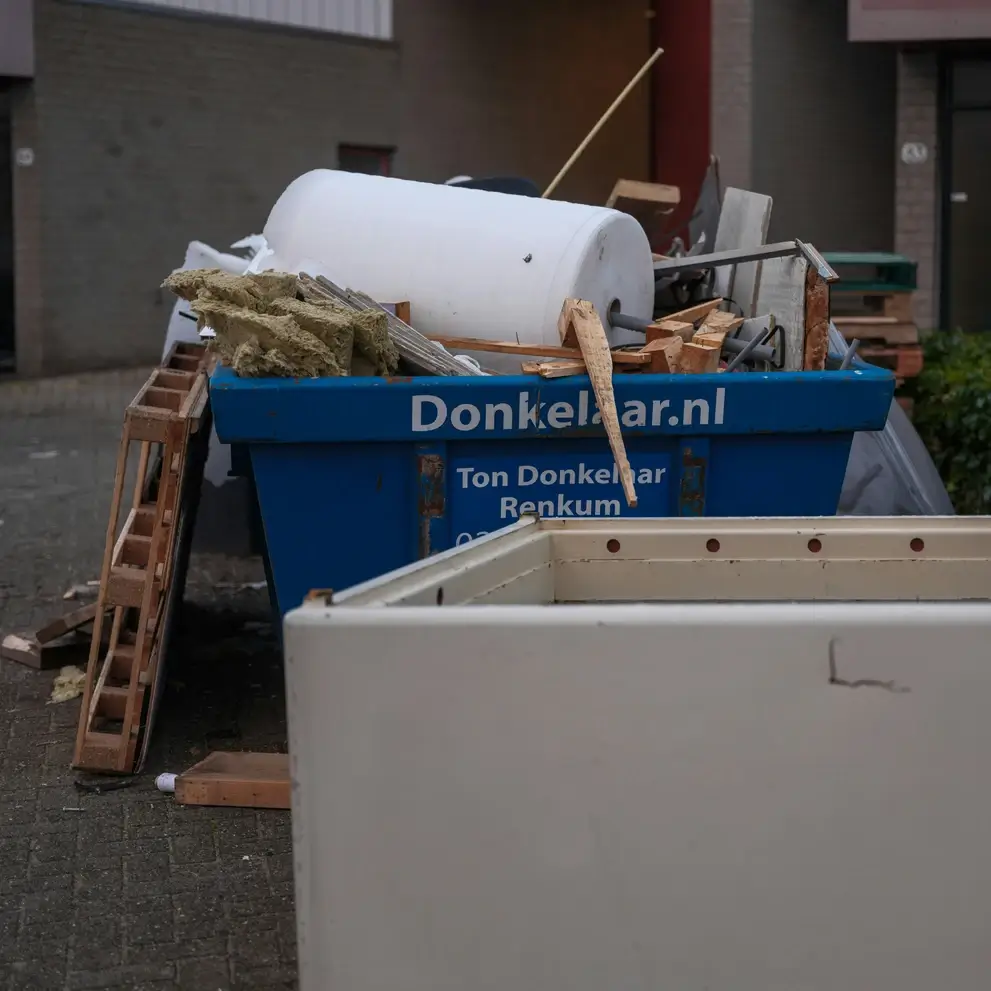
Skip Hire Putney is a straightforward way to manage mixed waste from home improvement, garden work, clear-outs and smaller building projects in the area. Our service is built around choosing the right skip size, placing it sensibly and arranging collection once the load is ready. That keeps the process simple for householders, landlords, trades and site managers who need a practical waste solution without unnecessary delay or complication.
The most useful starting point is to match the skip to the type of work being carried out. Heavy builders’ waste, renovation debris, soil, timber, old fixtures and general rubbish all place different demands on capacity and loading. We can help with skip sizes and prices, so you can weigh up the likely volume, the type of material and the space you have available. Choosing carefully at the outset is often the best way to avoid overloads, wasted capacity or extra handling later on.
For projects that need a simple order from start to finish, it also helps to understand the route from enquiry to delivery. Our book online page is a convenient place to begin if you already know the sort of waste you need to move, while our pricing and quotes information is useful if you want to compare the practical factors that shape a quotation. If you are ready to get things moving, request a quotation today.
Domestic skip hire for clear-outs and renovation waste
Domestic skip hire is often the right choice when a property project produces more waste than normal household collections can handle. Typical loads include bathroom fittings, kitchen units, broken shelving, packaging, old timber and mixed general rubbish from decluttering. A skip can provide one consistent place to put everything, which makes it easier to keep the work area tidy while the job is underway. For many households, that is simpler than making repeated trips to a tip or trying to separate every item as the work progresses.
When planning a domestic job, it is sensible to think about access, loading height and where the skip will sit during the hire period. Driveways and private land are often the easiest option if space allows, but not every property has the same layout. For that reason, some customers also look at our wait and load skip hire when a skip cannot be left in place for long. If your load is mainly domestic, our domestic skip hire page gives a useful overview of this kind of service.
- Useful for house clear-outs, refurbishments and general domestic waste
- Helps keep mixed rubbish in one place while the work is in progress
- Can suit property layouts where collection and access need a simple plan
Builders’ and construction waste removal
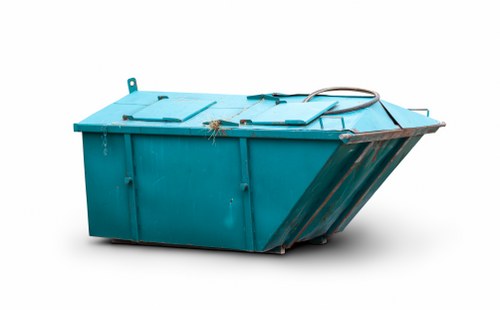
Building and renovation work often produces dense, awkward waste that needs careful handling. Bricks, rubble, plasterboard, tiles, timber offcuts, old fittings and packaging can build up quickly, especially when trades are working to a sequence of tasks. Our builders skip hire service is aimed at that kind of material, while construction waste disposal and construction waste clearance offer useful related options where the work call for more targeted waste handling.
It is worth separating out what the job actually produces, because not every load is the same. Some projects generate heavy inert waste, while others are a mixture of packaging, timber and broken fixtures. A clear description of the work helps with the right size and the most practical collection method. For larger or changing site volumes, our site clearance and builders waste removal pages are good places to look when planning how the waste will be cleared in stages rather than all at once. If you are not sure which route is most suitable, ask for a quotation and outline the waste type plainly.
Good planning matters on building jobs because waste streams can change as the work progresses. A skip that suits a small strip-out may be too limited for a full refurb, while a large container may be unnecessary for a short repair or single-room project. The aim is to keep removal practical, safe and proportionate to the task, not to overcomplicate a straightforward clearance.
Garden, loft and garage waste
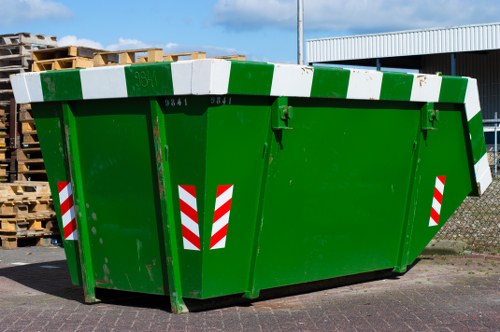
Outdoor work and household storage areas tend to produce a broad mix of items, from soil and turf to branches, pots, broken furniture and long-kept clutter. Our garden waste removal service is suited to cuttings, pruning waste and landscaping debris, while garage and loft clearance can help when stored items, boxes and redundant household goods need to be shifted together. These jobs often benefit from having a defined place for waste as the clearing work progresses.
Different materials affect how a load should be organised. Green waste is usually easier to separate than mixed clearance material, and heavy soil or rubble can use capacity much faster than lighter garden debris. If the task involves reshaping beds, replacing fencing, or taking out old shed contents, it helps to think through what will be loaded first and what may need breaking down into smaller parts. That kind of preparation makes collection more manageable and can reduce unnecessary handling on the day.
Where a project combines outdoor waste with old household items, it may also be useful to consider our house clearance option for the non-garden elements. The right approach depends on the balance between green waste, general rubbish and reusable bulky items. For some customers, that is the point where a simple skip is enough; for others, a more tailored clearance route is easier.
Commercial and office waste solutions
Commercial premises often need waste removed around trading hours, refits or periodic clearances. Offices, shops, workshops and light industrial units can all create mixed waste from furniture changes, packaging, shelving, fit-outs and day-to-day operational debris. Our commercial skip hire service supports that work by giving businesses a clear, central place to put waste before collection, which can be helpful when the goal is to keep an area usable and reasonably organised.
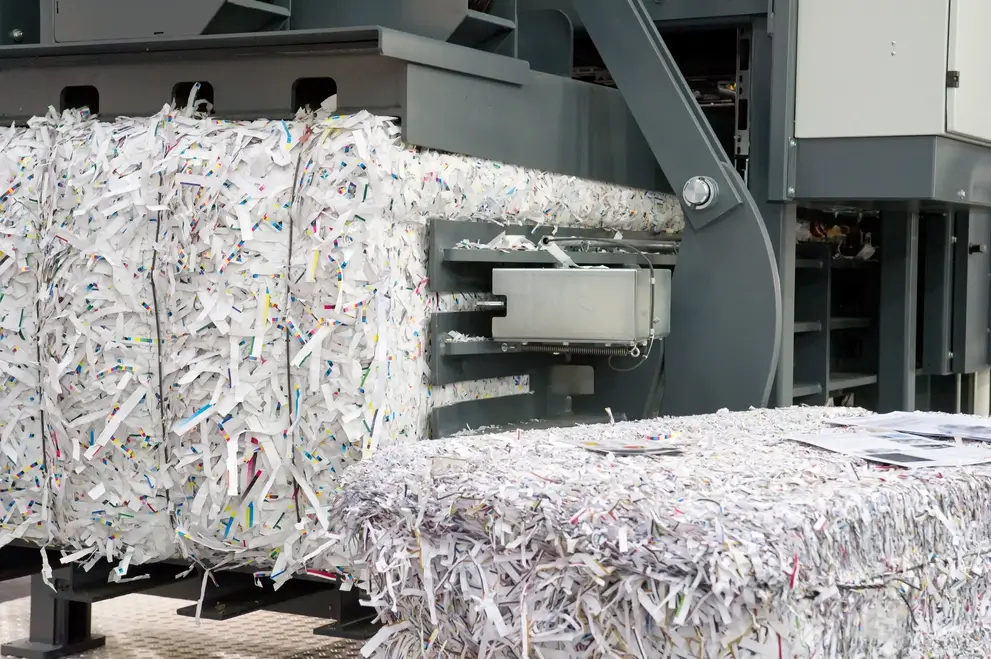
Office clearances need a slightly different approach because they may include desks, chairs, cabinets, archive materials and electrical equipment alongside ordinary rubbish. Our office clearance service is relevant where the priority is removing a wider range of items from workspaces in an orderly way. If documents are part of the job, confidential shredding provides an additional option for sensitive paper that should not be mixed with general waste. That distinction matters when a business wants one part of the job handled carefully and another part removed as standard waste.
For commercial customers, the most useful quotations tend to be the ones that state what sort of space is being cleared and what the waste is likely to include. A concise list of item types, access notes and the likely timing can make it easier to align the service with the work programme. That does not need to be complicated; it just needs to be clear.
Specialist waste streams and heavier loads

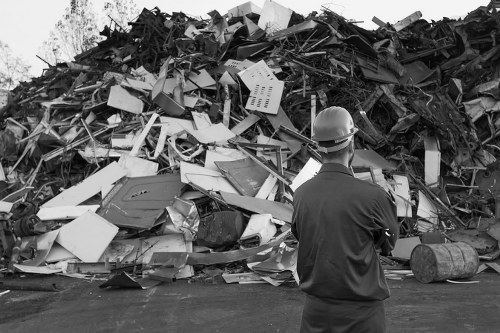
Some projects require more than general mixed waste removal. Heavy or awkward materials may need a more specific plan, especially where the job involves demolition, excavation or bulky items that are difficult to move by hand. Our demolition waste removal service covers the kind of waste produced when structures, fixtures or hard surfaces are taken apart, while muck away services are relevant where excavated material or site spoil needs shifting from the job promptly and in usable volumes.
There are also occasions when a more open loading method is useful. grab hire services and grab lorry hire can be a practical fit where access, quantity or the nature of the waste make a different collection method preferable to a standard skip. In the same way, rubbish removal can suit lighter or more immediate clearance tasks. The best option depends on material type, site access and how quickly the waste needs to be taken away.
Heavier loads need careful handling because different waste types occupy space and weight in different ways. Soil, hardcore, rubble and similar material are compact and can quickly dominate a load, while mixed waste may be bulkier but lighter. A practical service starts by matching the collection method to the waste profile, rather than treating every job as identical.
Skip permits, access and service choices
Where a skip cannot stay entirely on private land, a permit may be relevant. Our skip permits and skip hire permits pages give a useful route into that subject, especially if you need to understand the extra step before placing a skip on the road or another managed space. The key point is that access and positioning should be considered early, because they affect both practical use and the overall plan for the job.
There are also occasions when a specialist style of skip is the better answer. enclosed and lockable skip hire may be useful where added containment is preferred, while same day skip hire can be relevant when the work plan is already moving and waste cannot wait. For some customers, the decision is mainly about security or convenience; for others, it is about making sure the waste can be held safely and efficiently until collection.
When comparing options, think about the load, the site and the timing together. If the waste is arriving in stages, a standard skip may be enough. If the project is compressed into a short period or the material needs a contained setup, a more specific service may be easier to work with. Ask for a quotation once those details are clear, and the selection process becomes far more straightforward.
About Putney

Putney is a district in southwest London, on the south bank of the River Thames, within the London Borough of Wandsworth. Its riverside setting is one of its best-known features, with the Thames Path running through the area and a long history shaped by river crossings, transport links and local commerce. Putney Bridge connects the district northward to Fulham, while Putney High Street provides a busy commercial spine that has long been central to the area’s identity. The district is also known for its association with rowing, particularly the annual Oxford and Cambridge Boat Race, which finishes on the Thames nearby and draws wide attention to the riverside each spring.
The area contains a mix of Victorian and later housing, together with civic and leisure landmarks that reflect different periods of development. Putney Embankment and the riverside walks offer open views across the water, while Wandsworth Park sits close to the river and gives the district one of its main open green spaces. East Putney and West Putney are often used as informal ways of describing parts of the district, although the wider locality extends beyond those labels. The area has also been shaped by transport improvements, including rail and Underground connections that made it more closely tied to central London while retaining a recognisable local character.
Historically, Putney has been associated with riverside trade, religious debate and suburban growth. The Putney Debates of 1647 are an important part of English political history, taking place at St Mary’s Church during the English Civil War period. Today, the district combines that layered history with a lived-in urban landscape of residential streets, independent businesses, tree-lined squares and continuing riverside activity. The result is an area that feels both established and active, with clear links to London’s wider story as well as its own distinct local heritage.
Domestic and bulky item collections
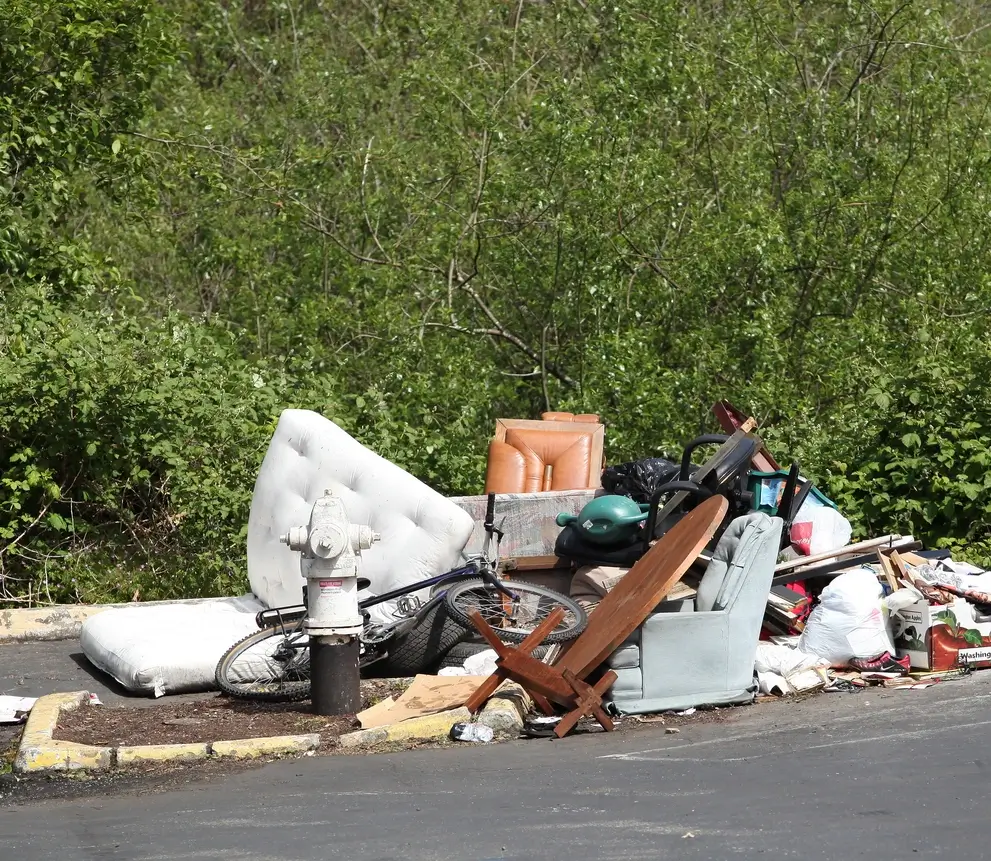
Not every job needs a full skip sitting on site for several days. For lighter or more targeted removals, fridge and appliance removal and mattress and sofa disposal can be useful when individual bulky items need to be moved out cleanly and efficiently. These services suit items that are awkward to carry, difficult to break down or simply too large to put out with normal household waste.
Where the task is broader than a single item, a house-level approach may be more appropriate. A property clear-out can involve clothing, small furniture, mixed general waste, old paperwork and stored possessions, and that is where structured removal becomes valuable. If you are deciding between a skip and a more direct collection route, it helps to ask how much material is involved, how much of it is reusable or recyclable, and whether the waste will be produced all at once or over several days.
For the best result, keep the arrangement simple and specific. Separate the clearly recyclable or sensitive items from the general load where possible, and note any bulky objects that require additional care. That is usually enough to create a sensible plan and make the quotation process easier to follow.
Recycling, sustainability and what can go in a skip
Responsible waste handling is an important part of any skip service. Our waste recycling services and recycling and sustainability pages cover the general idea of separating and directing different waste types appropriately, while what can go in a skip helps customers understand the kinds of material that are usually suitable for this kind of container. Those subjects matter because an efficient waste plan starts with knowing what is going into the load in the first place.
Some material needs particular caution. hazardous waste disposal is not the same as clearing ordinary household or construction waste, and items that are sensitive, dangerous or controlled must be treated according to the proper route rather than simply mixed into a general skip. That distinction protects people handling the waste and helps avoid avoidable complications later in the process. If in doubt, identify the item clearly before arranging removal.
When you are ready to compare options or make an enquiry, it helps to have a rough waste list, an idea of access and a preferred timescale. From there, ask for a quotation and choose the service that matches the material rather than trying to make one solution fit every job. Request a quotation today.